
Chaplaincy is a sacred calling that blends spiritual care, emotional presence, and practical wisdom in moments when people are most vulnerable. Whether serving first responders, hospitals, military units, or local communities, an effective chaplain must cultivate skills that go beyond theological knowledge. These competencies allow chaplains to offer compassionate, steady, and Christ-centered support in real-life crises.
Sometimes, the simplest moments hold the deepest wisdom. Let your thoughts settle, and clarity will find you. Use this quote space to share something inspirational or reflective, perfectly aligned with the theme of your article.
1. Deep Listening and Compassionate Presence
At the heart of chaplaincy is the ability to truly listen. This means more than hearing words—it involves discerning pain, fear, hope, and unspoken needs. A chaplain’s calm presence often ministers more powerfully than many spoken words. Compassionate listening reflects the ministry of Christ, who consistently met people where they were and responded with grace and truth.
2. Biblical Wisdom and Spiritual Discernment
Every chaplain must be grounded in Scripture and able to apply biblical truth with sensitivity and timing. Spiritual discernment helps determine when to speak, when to pray, and when to remain silent. The goal is not to deliver rehearsed answers, but to bring God’s living Word into real human situations with humility and love.

3. Crisis Care and Emotional Stability
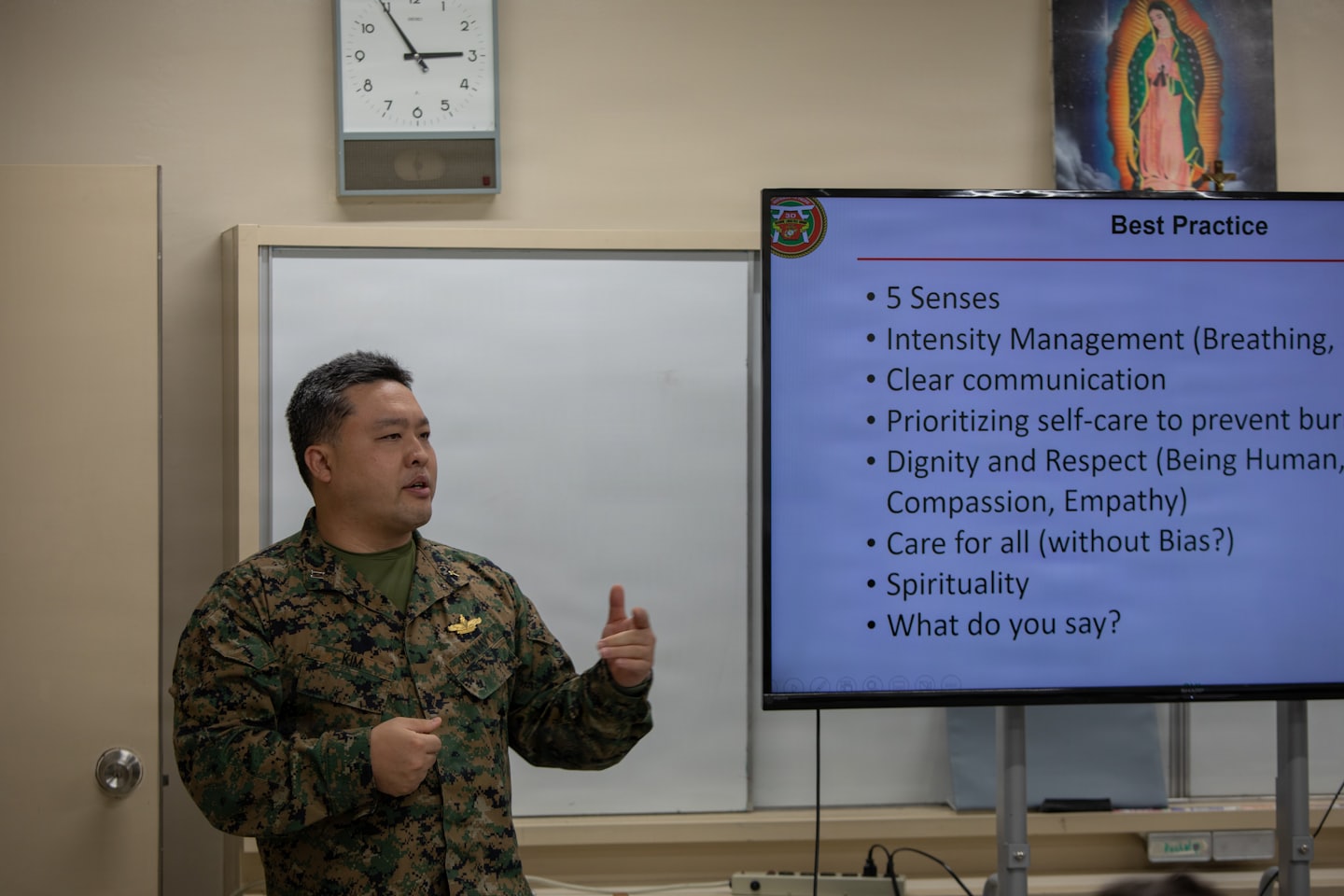
Chaplains frequently serve in emergencies, trauma scenes, and high-stress environments. Emotional resilience and crisis-response skills are essential. Remaining calm in chaos allows the chaplain to become a stabilizing presence for victims, families, and responders. This stability is cultivated through prayer, training, and personal spiritual discipline.
4. Cultural Sensitivity and Respect
Chaplains minister to people from diverse backgrounds, beliefs, and life experiences. Effective care requires respect, wisdom, and the ability to communicate across differences without compromising faith. Genuine love and honor for every person open doors for meaningful spiritual support.
5. Confidentiality and Ethical Integrity
Trust is foundational in chaplaincy. People must know their stories are safe. Ethical conduct, confidentiality, and accountability protect both the individual receiving care and the integrity of the ministry. A faithful chaplain serves with transparency before God and people.
6. Prayerful Dependence on God
Above all skills, a chaplain must remain deeply connected to the Lord. Prayer is not an accessory to ministry—it is the source of strength, guidance, and compassion. True effectiveness in chaplaincy flows from a life surrendered to Christ and empowered by the Holy Spirit.
Mastering these skills does not happen overnight; it is a lifelong journey of growth, humility, and service. As chaplains deepen their listening, strengthen their biblical foundation, and remain rooted in prayer, they become vessels of God’s peace in the most difficult moments of human life. Through faithful presence and Spirit-led care, chaplains reflect the heart of the Good Shepherd to a hurting world.
Leave a Reply