
In every moment of crisis, uncertainty, and human need, the presence of a well-trained chaplain becomes a powerful expression of hope, compassion, and spiritual care. This post explores the vital role of chaplaincy within first responder, medical, and community settings—highlighting why intentional preparation, biblical grounding, and practical readiness are essential for effective ministry in today’s complex world. By reflecting on real-life challenges and timeless spiritual truths, we aim to provide insight, encouragement, and meaningful guidance for both emerging and active chaplains. As you continue reading, you will be invited into a deeper understanding of what it means to serve faithfully, lead with compassion, and carry the peace of God into places where it is needed most.
Sometimes, the simplest moments hold the deepest wisdom. Let your thoughts settle, and clarity will find you. Use this quote space to share something inspirational or reflective, perfectly aligned with the theme of your article.
Chaplaincy ministry often unfolds in environments marked by urgency, trauma, and emotional complexity, where words must be thoughtful, presence must be steady, and faith must be both sincere and practical. Whether standing beside first responders after a critical incident, offering prayer in a hospital corridor, or walking with families through grief and uncertainty, the chaplain serves as a bridge between spiritual truth and human suffering.
Effective ministry in these moments requires more than compassion alone—it calls for disciplined training, ethical awareness, cultural sensitivity, and a deep reliance on Scripture and the guidance of the Holy Spirit. Experienced chaplains consistently affirm that preparation before the crisis determines clarity during the crisis, shaping how care, comfort, and hope are communicated. For this reason, intentional formation through sound theological education and realistic field training remains essential for anyone seeking to serve faithfully in the demanding yet sacred calling of chaplaincy.

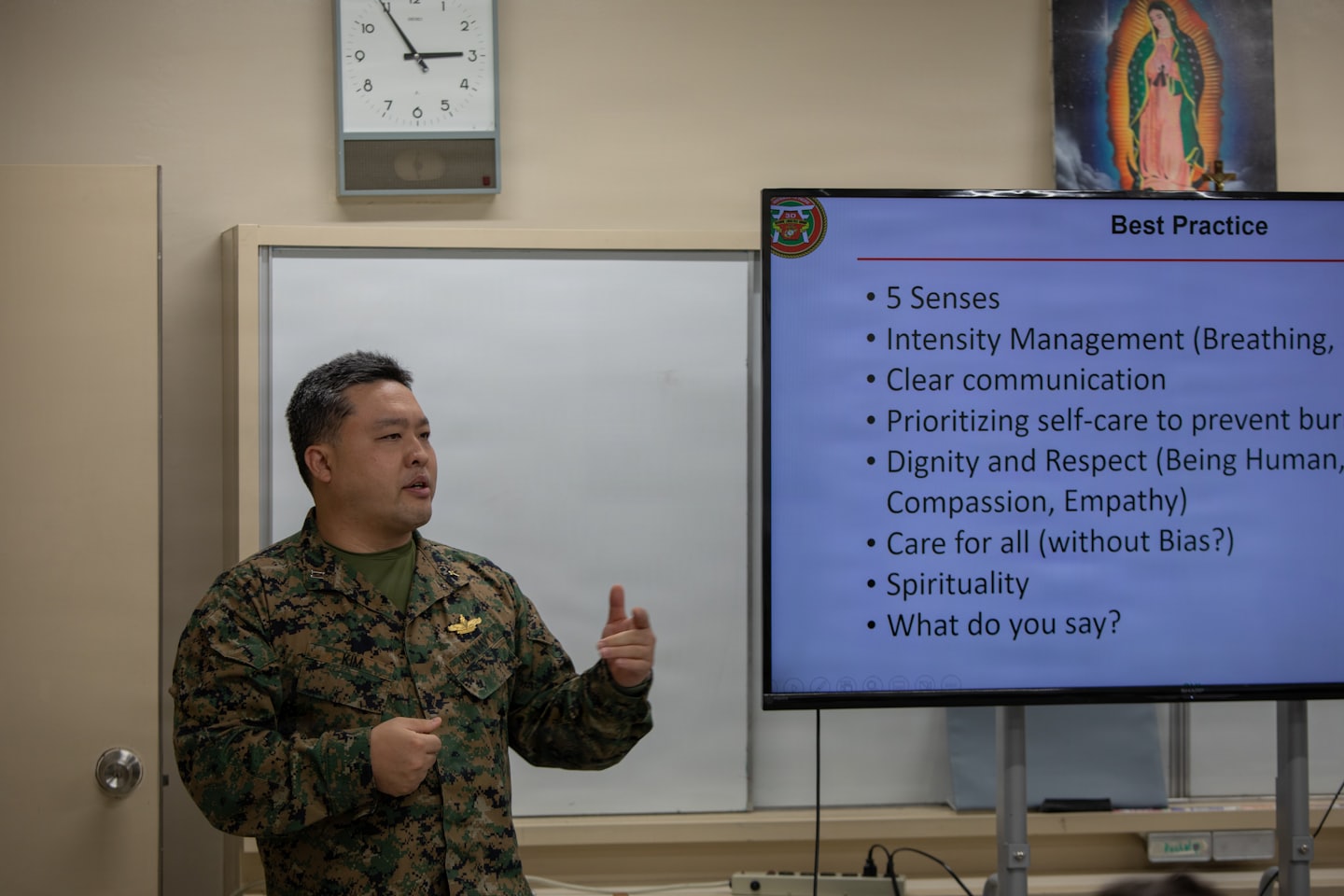
At this stage, an important question naturally emerges: what distinguishes effective chaplaincy from well-intentioned but unprepared care? While compassion and a desire to help are foundational, sustainable ministry in high-stress environments requires structured formation, accountability, and ongoing spiritual maturity. Some may wonder whether formal training limits the spontaneity of pastoral care, yet in practice it strengthens discernment, clarifies ethical boundaries, and equips chaplains to respond wisely across diverse cultural and emotional contexts.
Others may ask how biblical conviction integrates with professional standards; the answer is found in a balanced approach where theological depth informs practical skill, allowing care to remain both spiritually faithful and professionally responsible. By bringing these perspectives together, we begin to see chaplaincy not merely as a role, but as a lifelong vocation of presence, wisdom, and servant leadership—preparing us to consider the enduring impact such ministry can have in the lives of those we serve.
Wrapping Up
In reflecting on the journey through this discussion, one truth becomes clear: faithful chaplaincy is not formed in moments of crisis alone, but through intentional preparation, spiritual depth, and a steadfast commitment to compassionate presence. Effective ministry emerges where biblical conviction, practical training, and humble service meet the real needs of hurting people. As you consider these insights, take time to evaluate your own calling, readiness, and opportunities for growth—seeking continual formation in both character and skill. Whether you are beginning your path or continuing years of service, the invitation remains the same: to serve with wisdom, to care with Christlike love, and to carry hope into the places where it is needed most. May this reflection inspire you to pursue deeper equipping, faithful obedience, and renewed dedication to the sacred work of chaplaincy.
Leave a Reply